Pillar 3: Insects & BSFL Bioconversion Node
Welcome to the Ecoladang Insect & Black Soldier Fly Larvae (BSFL) Bioconversion Node.
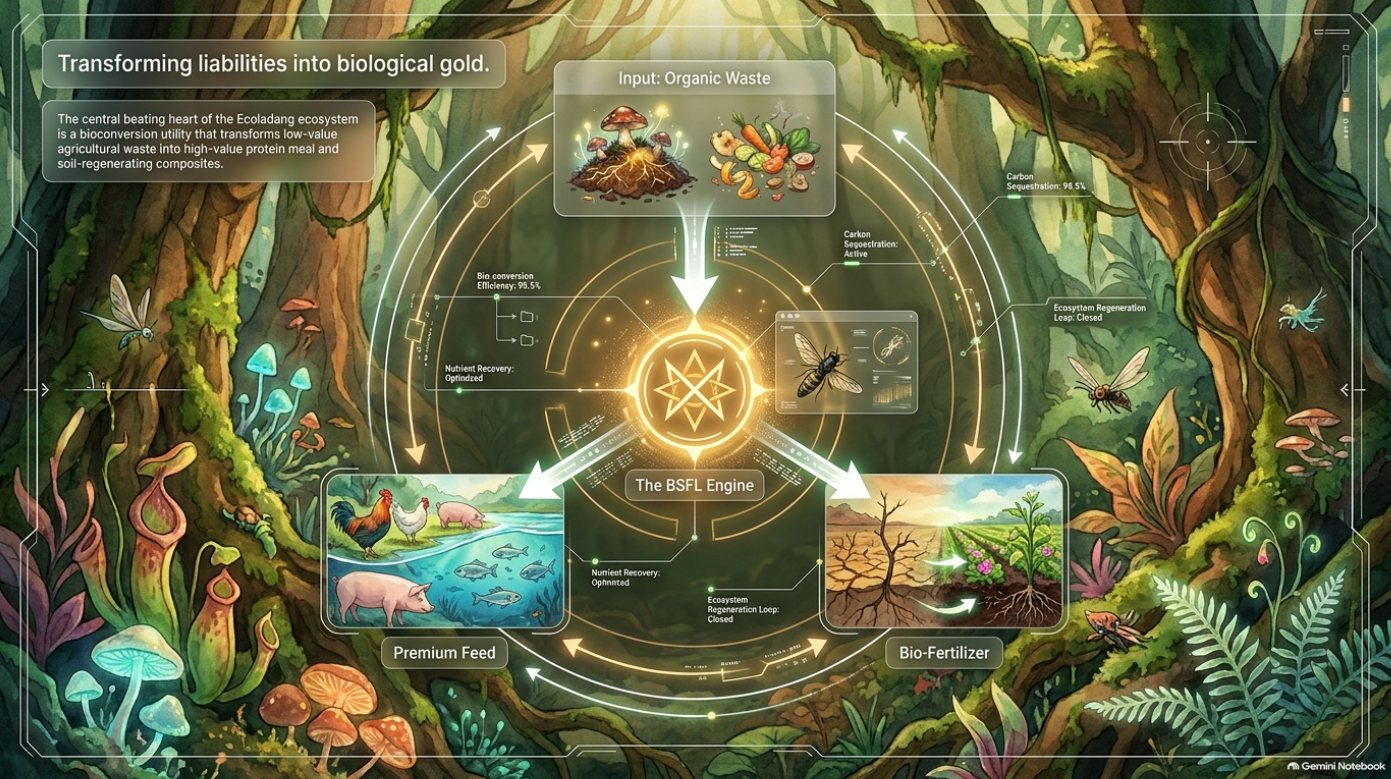
This web page presents Ecoladang’s re-engineered approach to insect-based organic waste management inside our modular AgroShack Zone 3 footprint. Grounded in battle-tested industrial realities from our partner Protenga, this node completely eliminates the operational trap of micro-scale fly breeding. Instead, the AgroShack operates strictly as a localized bioconversion engine, receiving elite neonate starter larvae from Tier-1 industrial hatcheries and harvesting them at the peak 5th instar larval stage before pupation or adult fly emergence occurs.
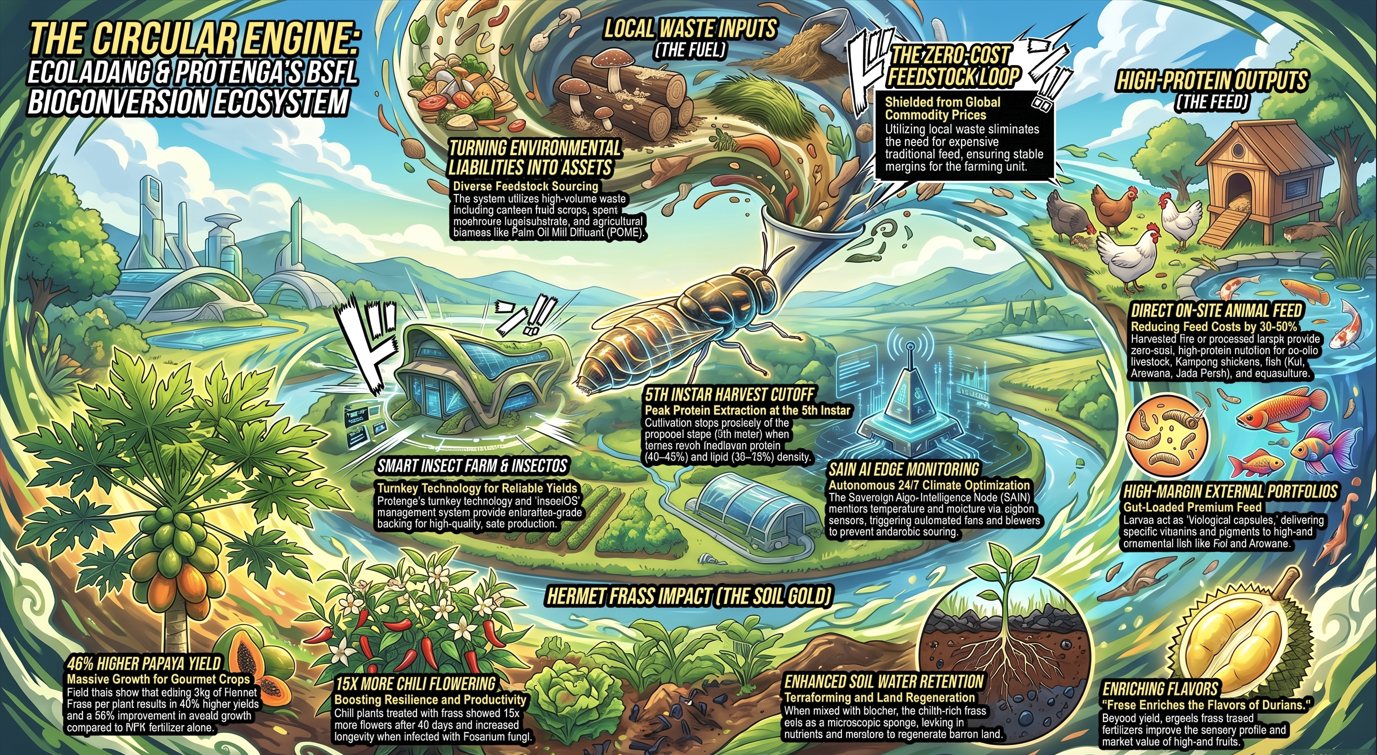
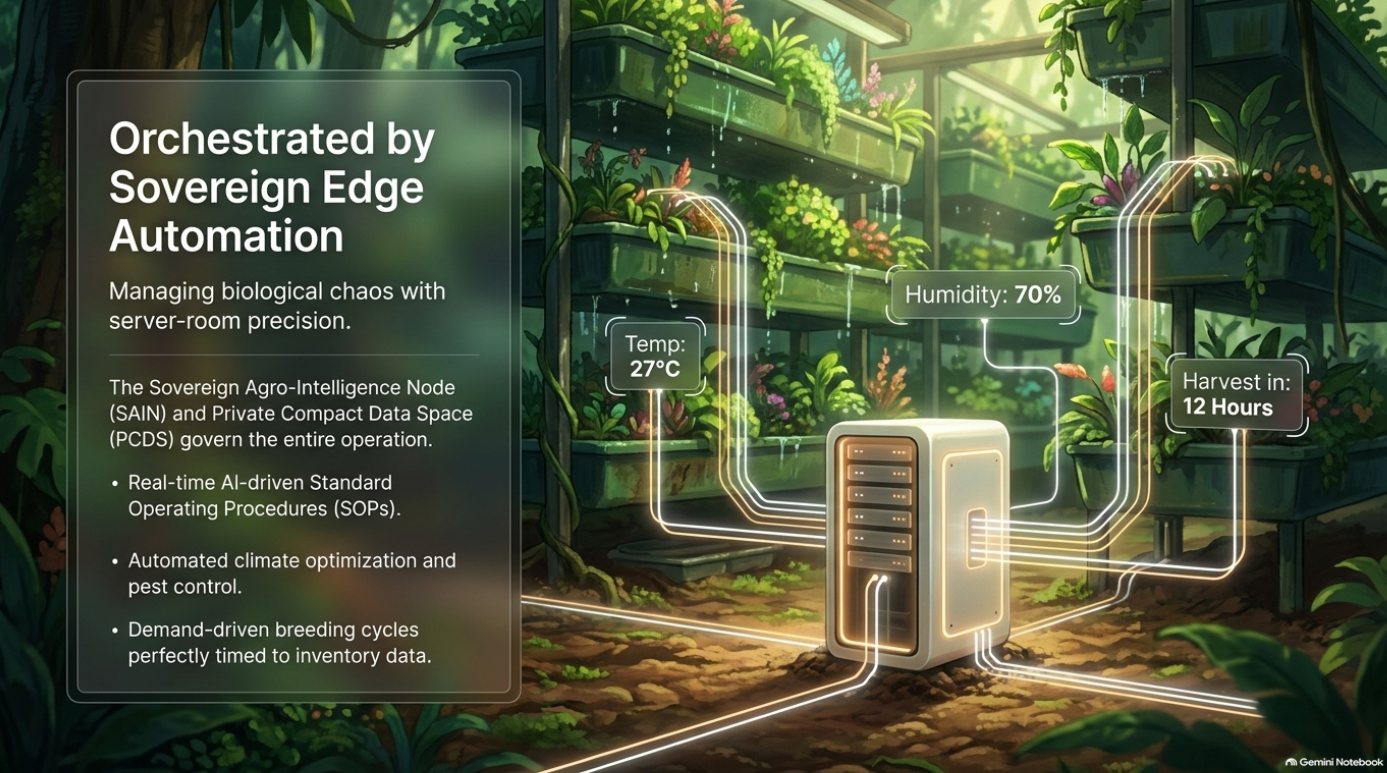
Managed autonomously by our Sovereign Agro-Intelligence Node (SAIN) edge computing system, the facility processes localized organic waste streams—such as spent mushroom substrate, canteen food scraps, and agricultural biomass—converting them into high-protein live/processed animal feed to directly offset costs for on-site poultry, aquaculture, and frogs, while generating pathogen-free organic frass fertilizer for soil remediation.
1. Pros & Cons Analysis
The Pros (Biological & Operational Strengths):
- Unrivaled Bioconversion Speed: BSFL (Hermetia illucens) can process up to twice their body weight in organic waste daily, achieving a 10,000x body weight increase in 12–14 days.
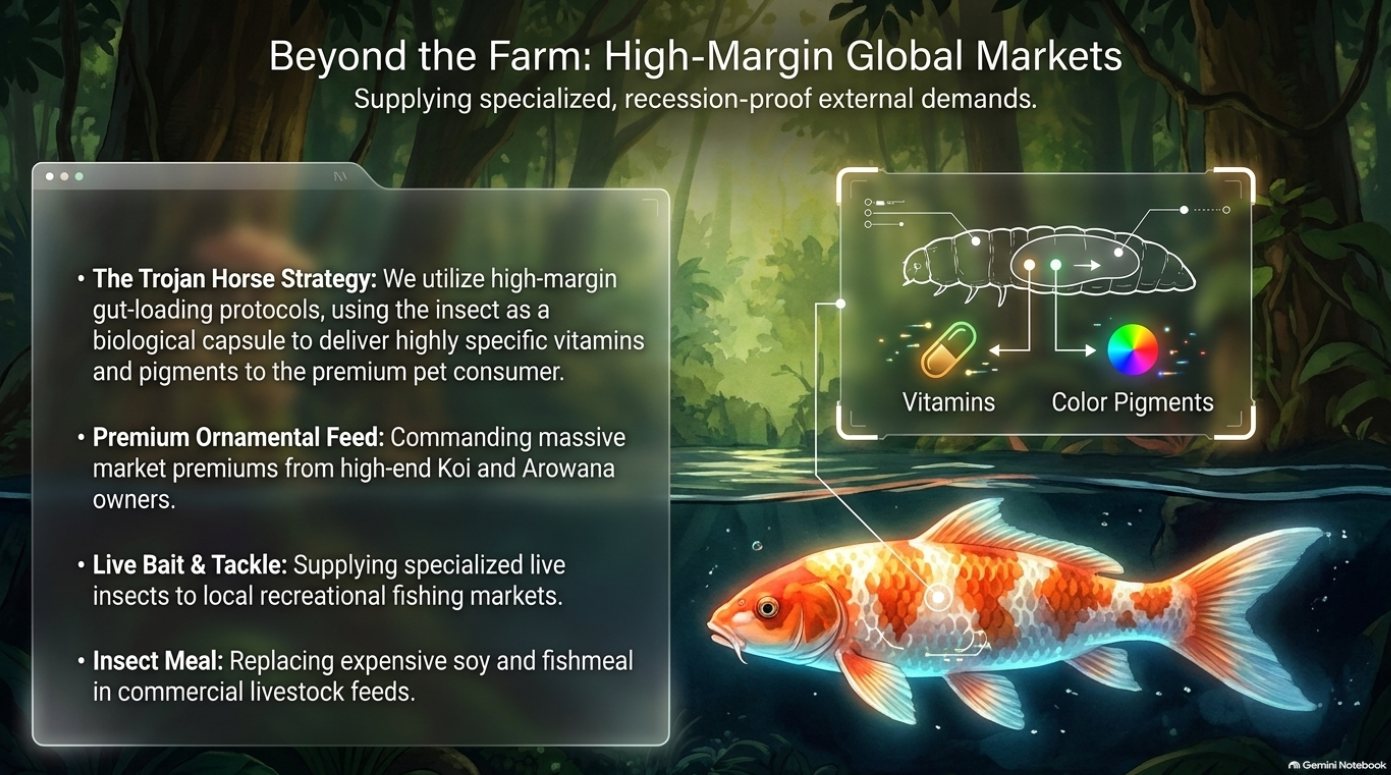
- High Nutritional Density: 5th instar larvae contain 40–45% crude protein and 30–35% beneficial lipids (rich in lauric acid), serving as an ideal replacement for expensive commercial soy and fishmeal in animal feed.
- Zero Disease Vector Risk: Adult Black Soldier Flies lack functional mouthparts, do not bite or sting, do not feed on waste, and do not vector human or animal pathogens.
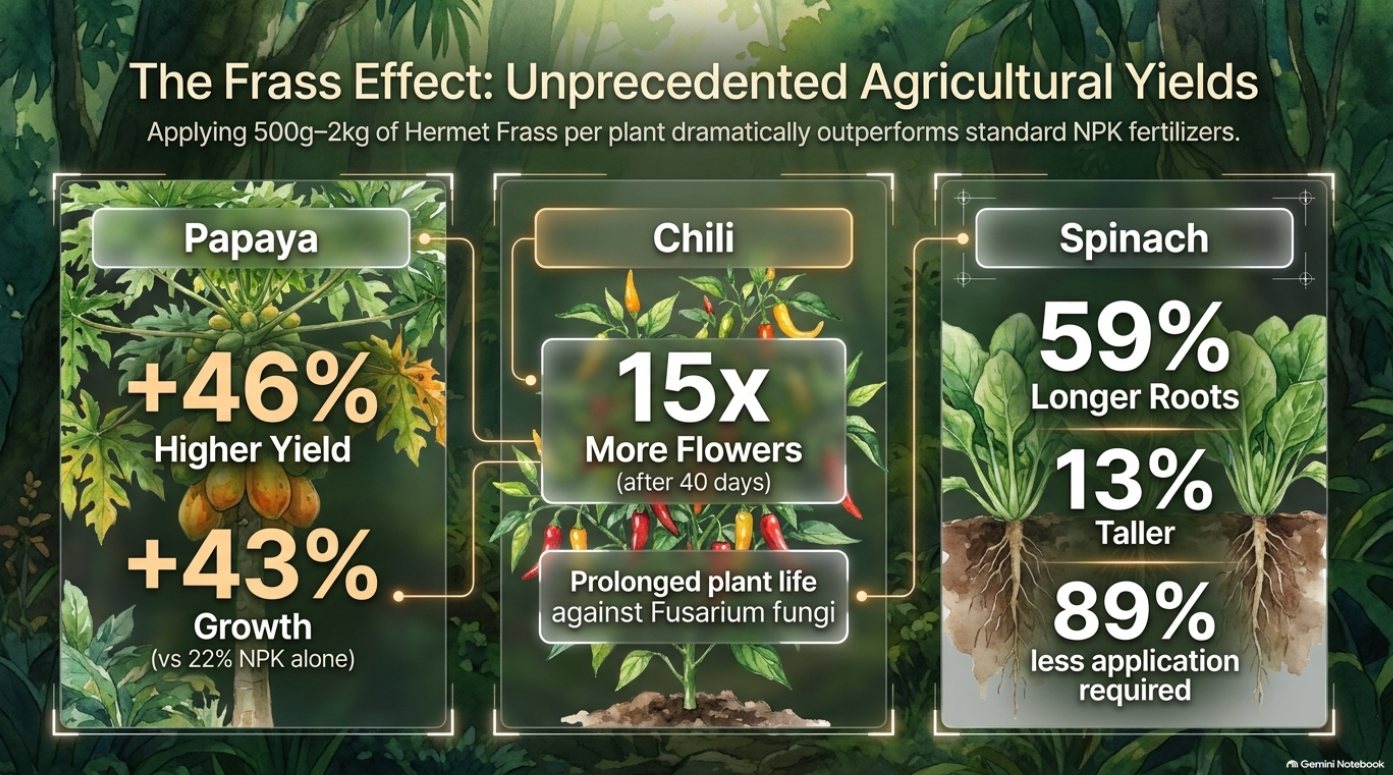
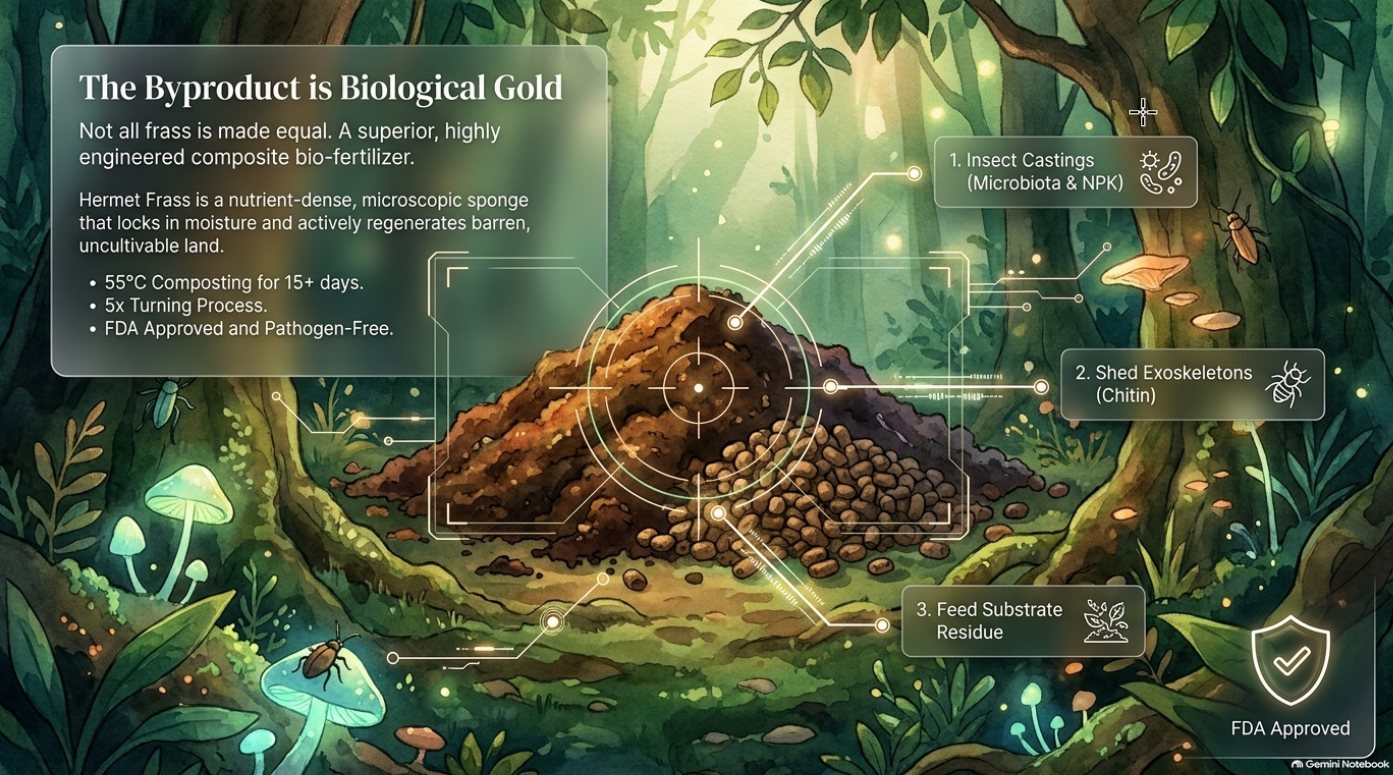
- Valuable Organic Frass Co-Product: The digestive residue (frass) is an exceptional, odorless organic bio-fertilizer rich in chitin, nitrogen, and beneficial soil microbes that stimulate plant immunity.
The Cons (Operational & Industrial Liabilities):
- Full-Cycle Fly Breeding Trap: Attempting fly mating, egg-laying, and nursery breeding in a micro-footprint is economically unviable, highly sensitive to environmental drifts, and labor-intensive.
- Feedstock Consistency Vulnerability: Unsorted, wet, or contaminated food waste can cause anaerobic souring, mold outbreaks, and uneven harvest yields if not pre-treated or balanced with dry fiber (e.g., spent mushroom substrate).
- Temperature & Moisture Sensitivity: Larvae require strict climate bands (27–31°C and 60–70% substrate moisture); unmanaged heat build-up from metabolic activity can cause larval migration or death.
2. AgroShack Suitability & Active Farmer ROI Evaluation
AgroShack Micro-Farm Suitability: High (as a Local Utility) / Unviable (as a Standalone Commodity Factory)
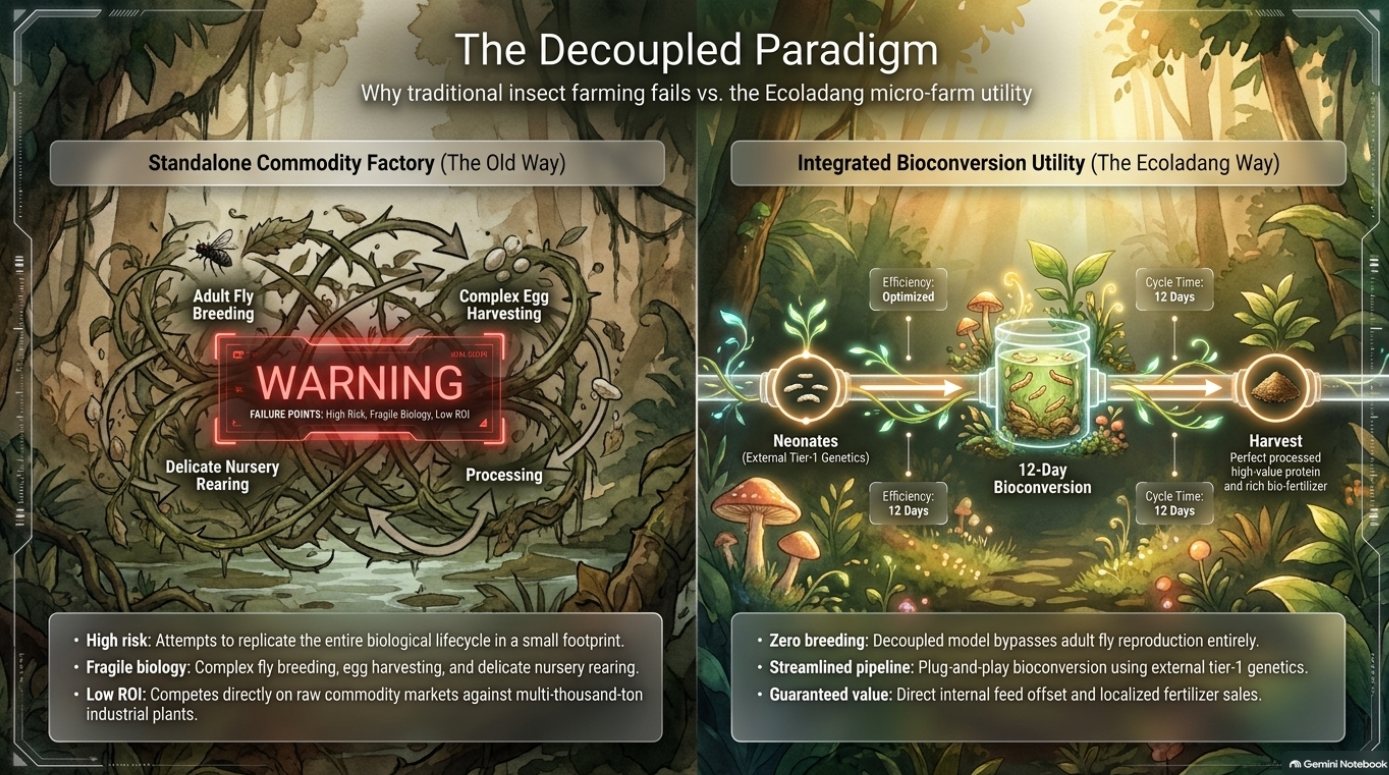
An AgroShack cannot achieve profitable ROI if operated as an isolated "fly farm" trying to sell raw dried larvae on open commodity markets to compete with multi-thousand-ton industrial plants. However, as an integrated bioconversion utility inside an AgroShack cluster, it delivers immediate, guaranteed economic value.
Active AgroShack Farmer ROI Model:
To deliver a sustainable return on investment for an active franchisee, the BSFL Node operates under three strict operational rules:
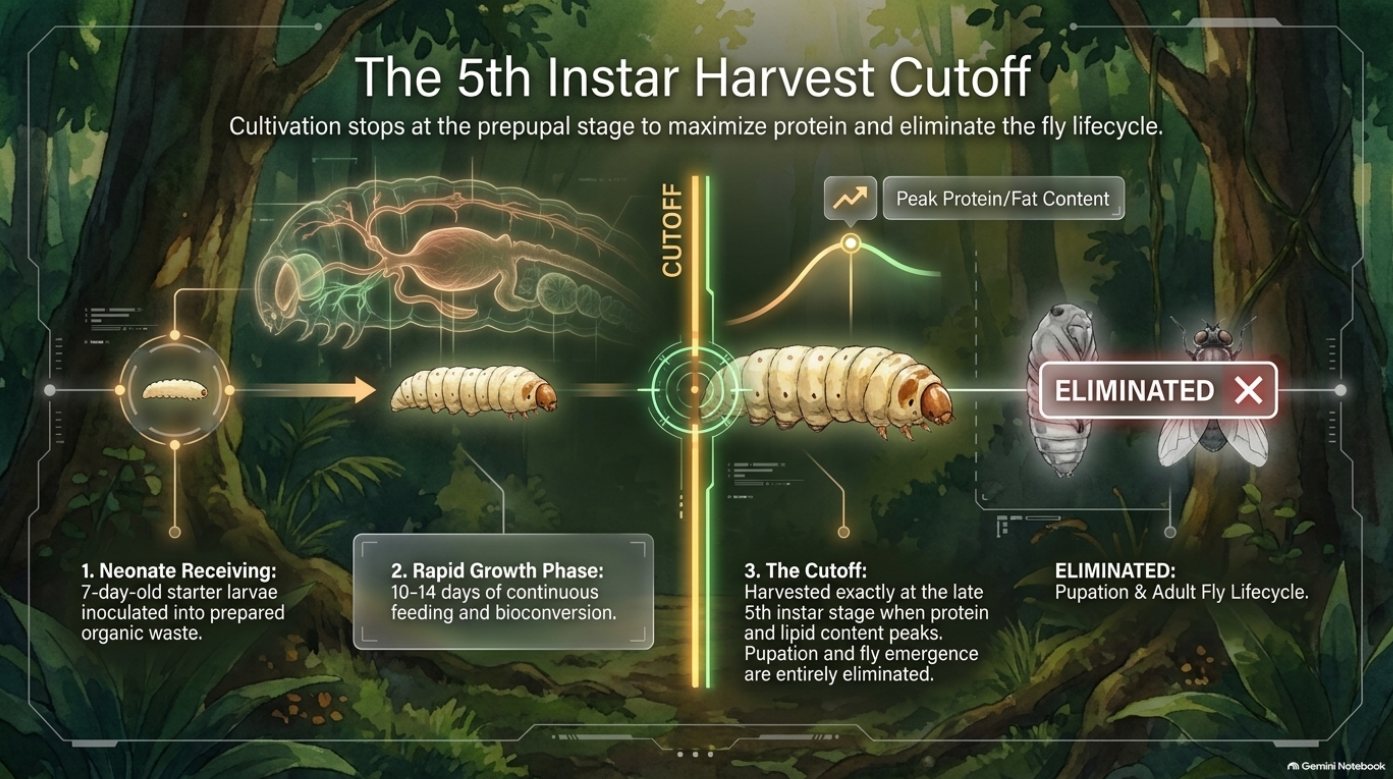
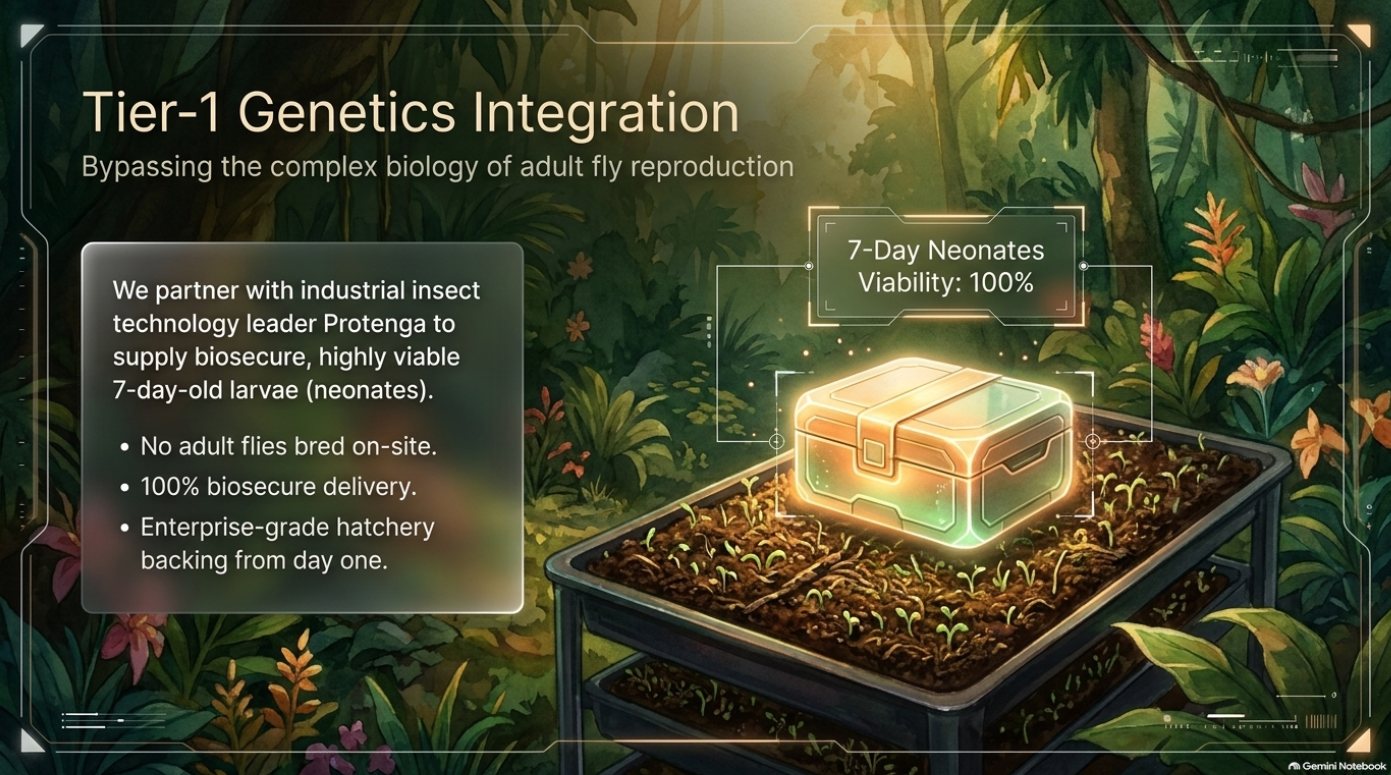
- Strict 5th Instar Harvest Cutoff: Cultivation stops at the prepupal stage (5th instar). Zero adult flies are bred on-site. Starter neonates are supplied on subscription from Tier-1 industrial partners (e.g., Protenga).
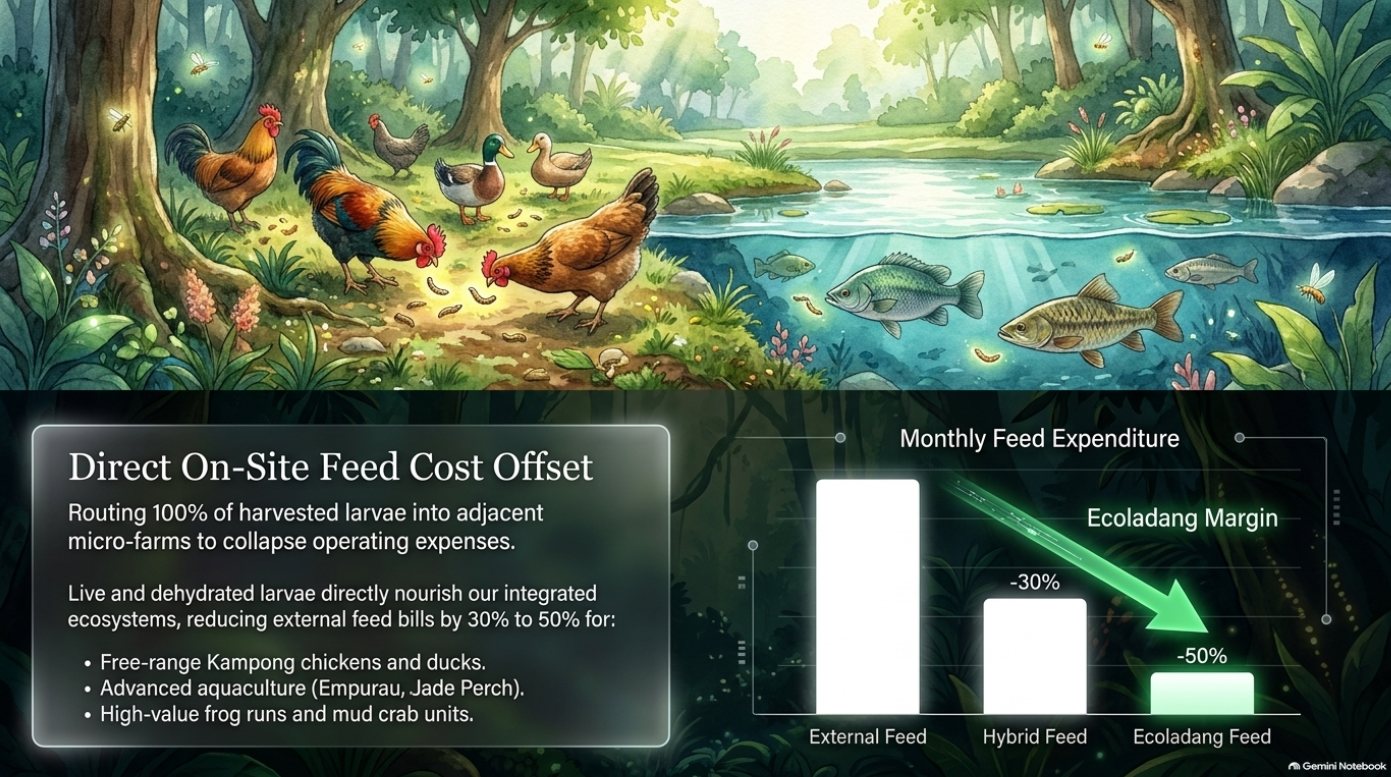
- Direct On-Site Animal Feed Offset: 100% of harvested live or dehydrated larvae are routed directly into on-site Kampong chicken coops, fish tanks (Empurau, Jade Perch), mud crab units, or frog runs—reducing external feed bills by 30–50%.
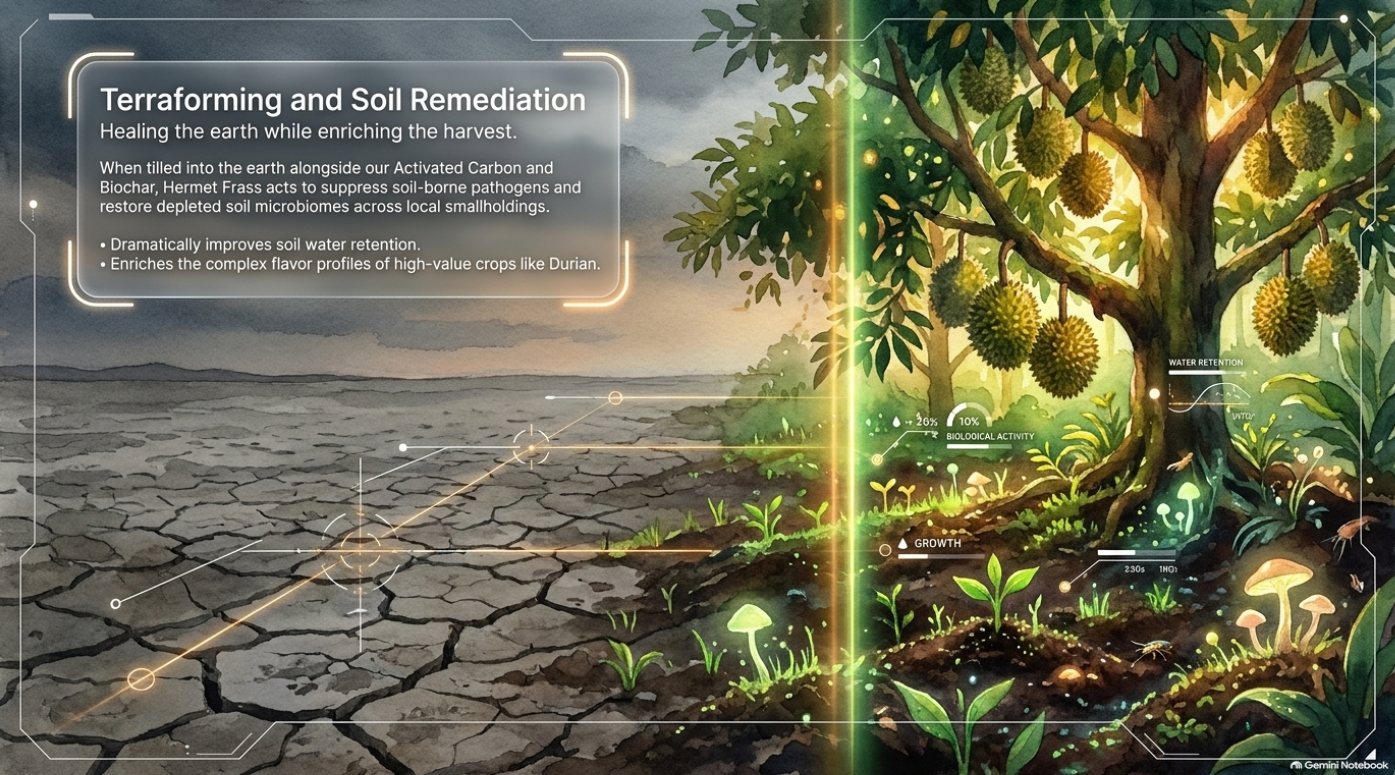
- High-Value Bio-Fertilizer & Soil Remediation: Organic frass is packaged as high-grade chitin-rich fertilizer for gourmet crop beds or sold to local nurseries, generating an immediate secondary cash flow.
3. Best-Case Scenario Business Case
The Scenario: An AgroShack Zone 3 BSFL Bioconversion & Waste Management Hub serving an integrated AgroPark or farm cluster.
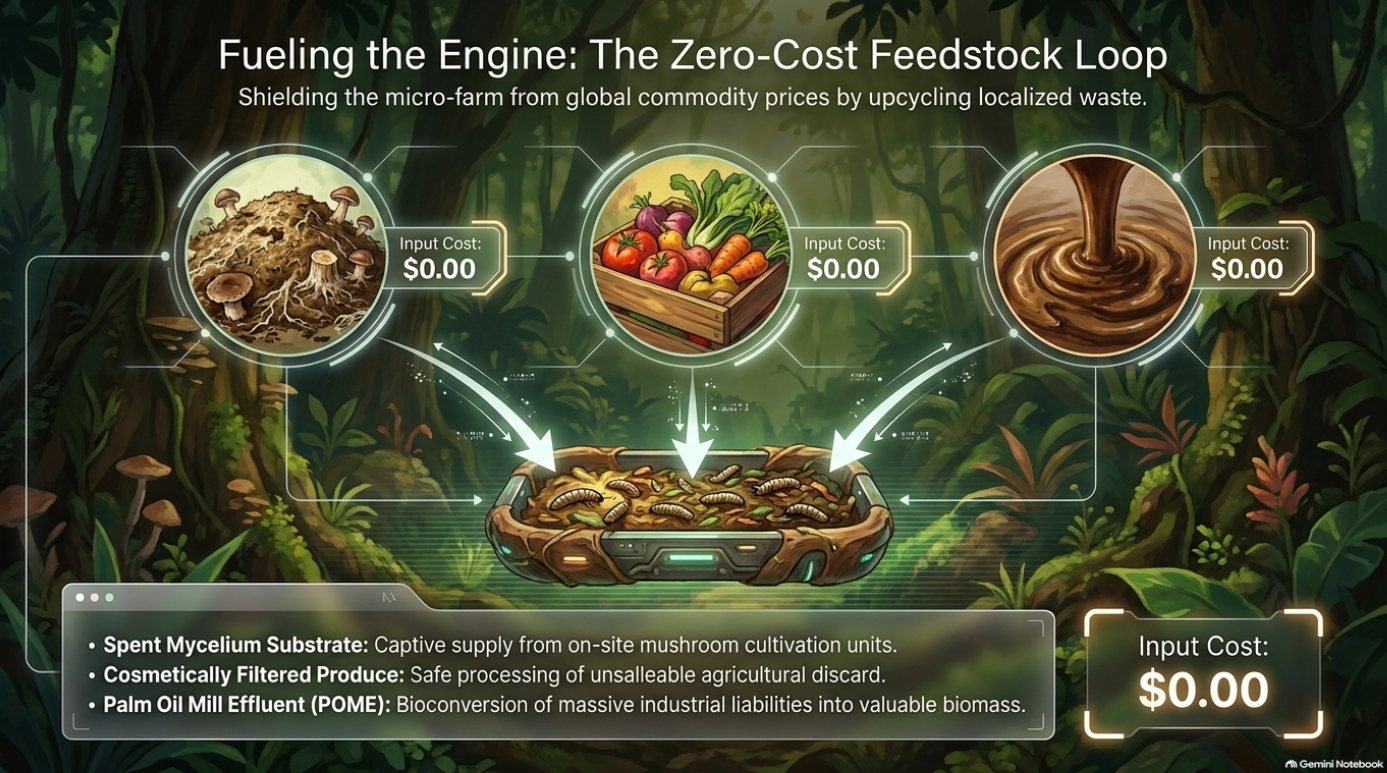
The Business Model: The active franchisee functions as a localized waste processing and feed supplier. The unit processes 300 kg to 1 ton per day of local organic waste (spent mushroom logs from Zone 1, canteen scraps, and farm biomass).
- Input Supply: Weekly shipments of biosecure BSFL neonates from Protenga's central hatchery.
- Primary Revenue / Savings (60%): Internal feed cost replacement. Supplying live, protein-dense larvae directly to 500 Kampong chickens and vertical aquaculture tanks, saving thousands in commercial feed purchases.
- Secondary Revenue (30%): Frass fertilizer production. Yielding 100–200 kg/week of pathogen-free organic frass for high-value mushroom and vegetable cultivation.
- Tertiary Revenue (10%): Municipal/Corporate waste processing fees (tipping fees) for handling commercial food waste from local partners under ESG contracts.
The Result: The franchisee operates a zero-waste, low-CapEx node that de-risks the entire farm cluster by dramatically lowering operational feed costs and turning waste into soil gold.
4. Generalized Overview & Deep-Dive Operational Context
Traditional insect farming projects frequently collapse because operators attempt to replicate an entire industrial ecosystem—from fly breeding and egg harvesting to nursery rearing, growing, and processing—within a small footprint. Ecoladang’s Pillar 3 Insect Node eliminates this failure mode by adopting a decoupled bioconversion model.
The 5th Instar Boundary & Tier-1 Genetics Integration
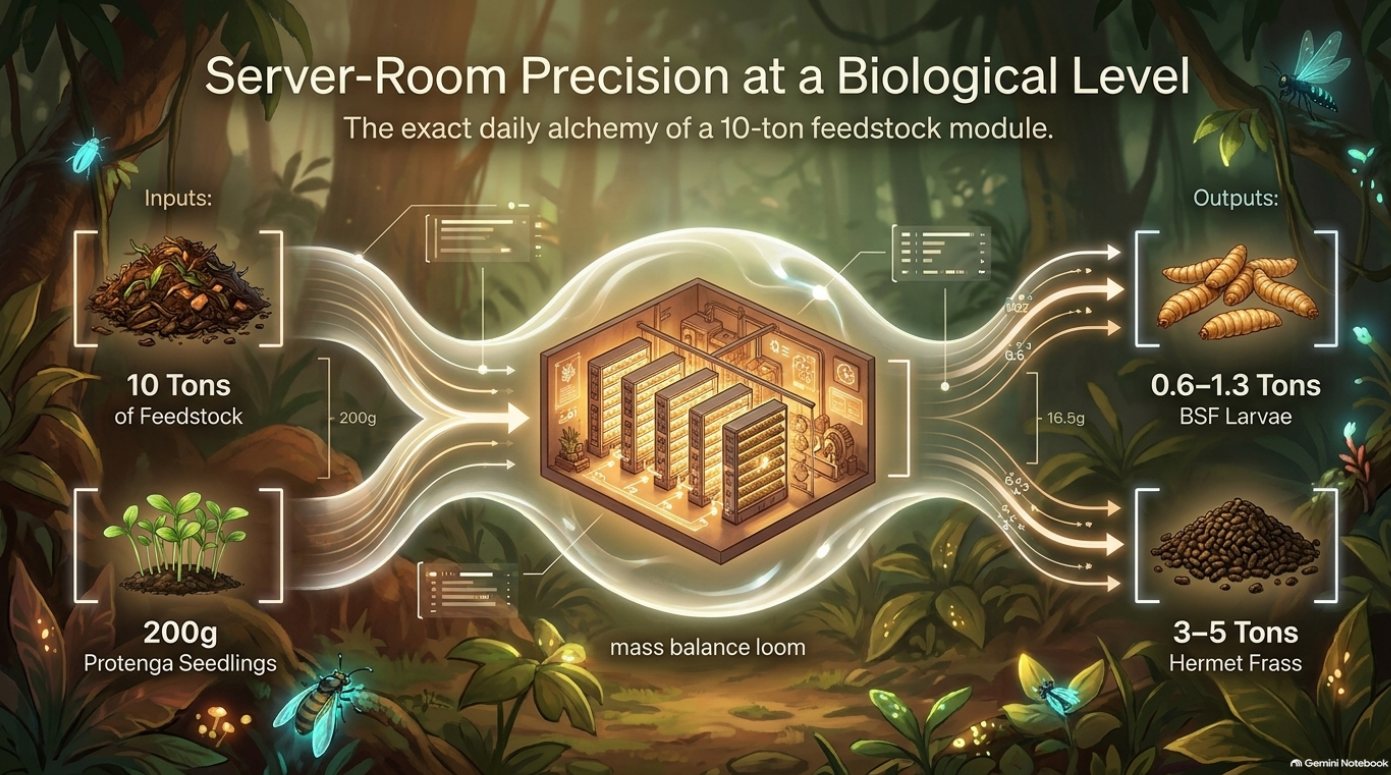
By partnering with industrial insect technology leaders like Protenga, Ecoladang farms bypass the complex, delicate biology of adult fly reproduction. Tier-1 hatcheries maintain genetics, breeding chambers, and egg collection at massive scale, delivering biosecure, highly viable 7-day-old larvae (neonates) directly to the AgroShack.
The AgroShack Zone 3 unit focuses purely on the 10-to-12 day bioconversion phase:
- Neonate Receiving & Inoculation: Starter larvae are introduced into climate-controlled, vertical stacking trays pre-loaded with prepared organic waste blends.
- Rapid Growth Phase: Over 10 to 14 days, larvae feed continuously, converting complex organic matter into high-quality protein and lipids.
- The 5th Instar Harvest Cutoff: Harvest occurs precisely at the late 5th instar stage (just as larvae turn dark brown and prepare to pupate). At this exact moment, their protein and fat content is at its absolute peak. Cultivation stops here. Larvae are automatically separated from frass via mechanical vibrating sieves, completely avoiding the pupation and fly emergence stage inside the shack.
SAIN Edge Control & Automated Microclimate Management
Bioconversion generates significant metabolic heat and moisture. To prevent substrate souring or larval escape, the Sovereign Agro-Intelligence Node (SAIN) manages the Zone 3 environment 24/7:
- Automated Temperature & Airflow Loops: RS485 and Zigbee sensors monitor bed temperatures. If metabolic heat rises above 31°C, SAIN triggers variable-speed exhaust fans and stack-effect dampers to circulate fresh, cool air.
- Moisture Balancing: SAIN controls automated dry-air blowers and moisture sensors, maintaining substrate hydration at an optimal 65% to prevent foul odors or anaerobic bacteria.
- Automated Sieving & Feed Routing: Harvested live larvae are routed via automated conveyers directly into nearby poultry feeders or aquaculture tanks, while excess larvae pass into a low-energy dehydrator for shelf-stable storage.
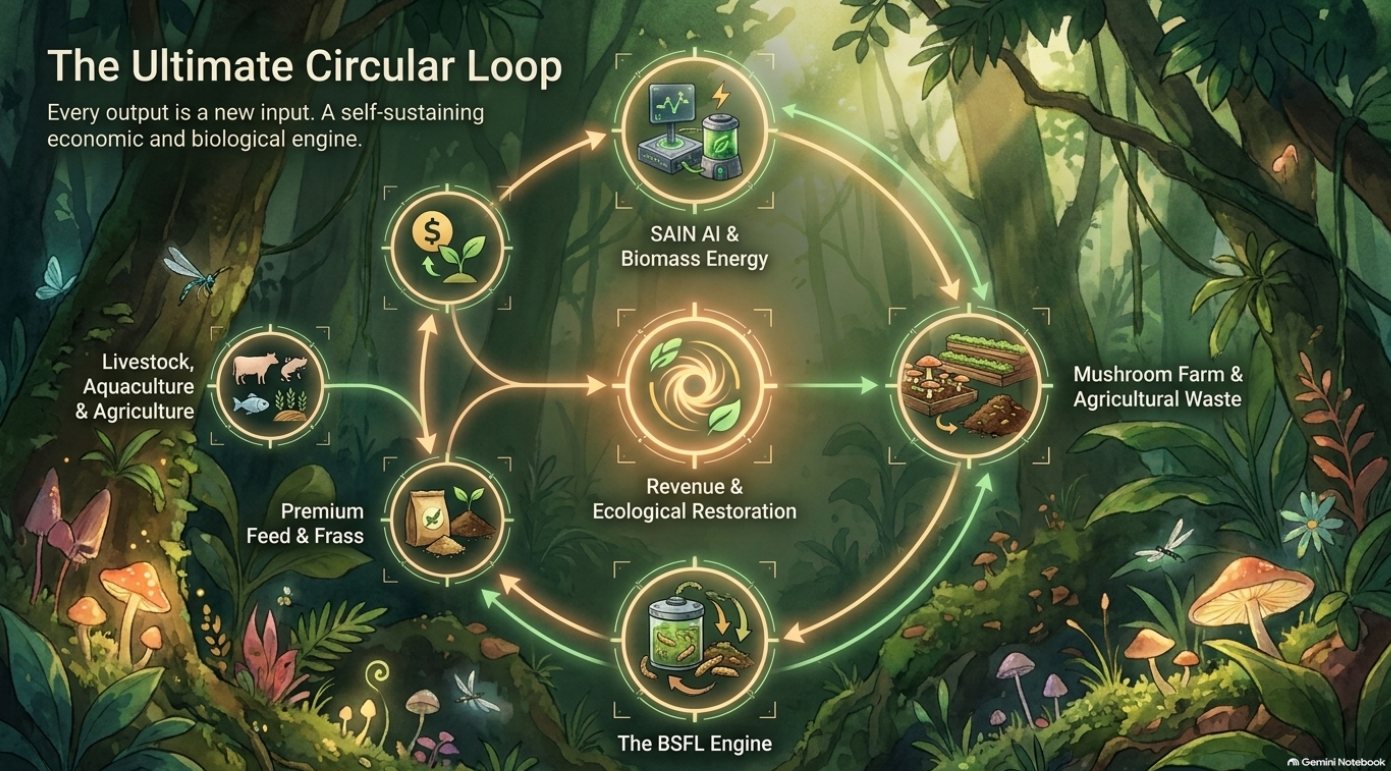
Closing the Zero-Waste Circular Loop
- Waste Ingested: Spent mushroom substrate from Zone 1, organic crop residues from Zone 2, and local food scraps are combined into a balanced larval diet.
- Protein Produced: Harvested larvae nourish Kampong poultry, ducks, frogs, and high-value fish in adjacent zones.
- Soil Healed: Chitin-rich frass residue is returned to the earth, suppressing soil-borne pathogens and restoring depleted soil microbiome health across local smallholdings.
Nurturing the Future: The Agro-Technician Semi-Degree & TVET Apprenticeship Model
Ecoladang, in coordination with our Special Purpose Vehicle (SPV) partners,…
The Malaysia AgroPark Hub: Solving the US$3 Billion Palm Oil Replanting Crisis
Across Southeast Asia, the palm oil industry is facing a…
From “One-Dish” Farms to AI-Powered Ecosystems: The Ecoladang Revolution
Ecoladang Micro Farms acts as the Master Integrator. We provide…
A hidden gem. 7 stars Mushroom in Semenyih
The Ecoladang Micro Farm took a field trip to get…
Learning about mushrooms in Malaysia.
learning about mushrooms in Malaysia with Friends of Fungi &…
A New Dawn for Malaysian Agro-Technology: Introducing Ecoladang Micro Farms
The Strategic Pivot: From Tech Support to Turnkey Empowerment For…